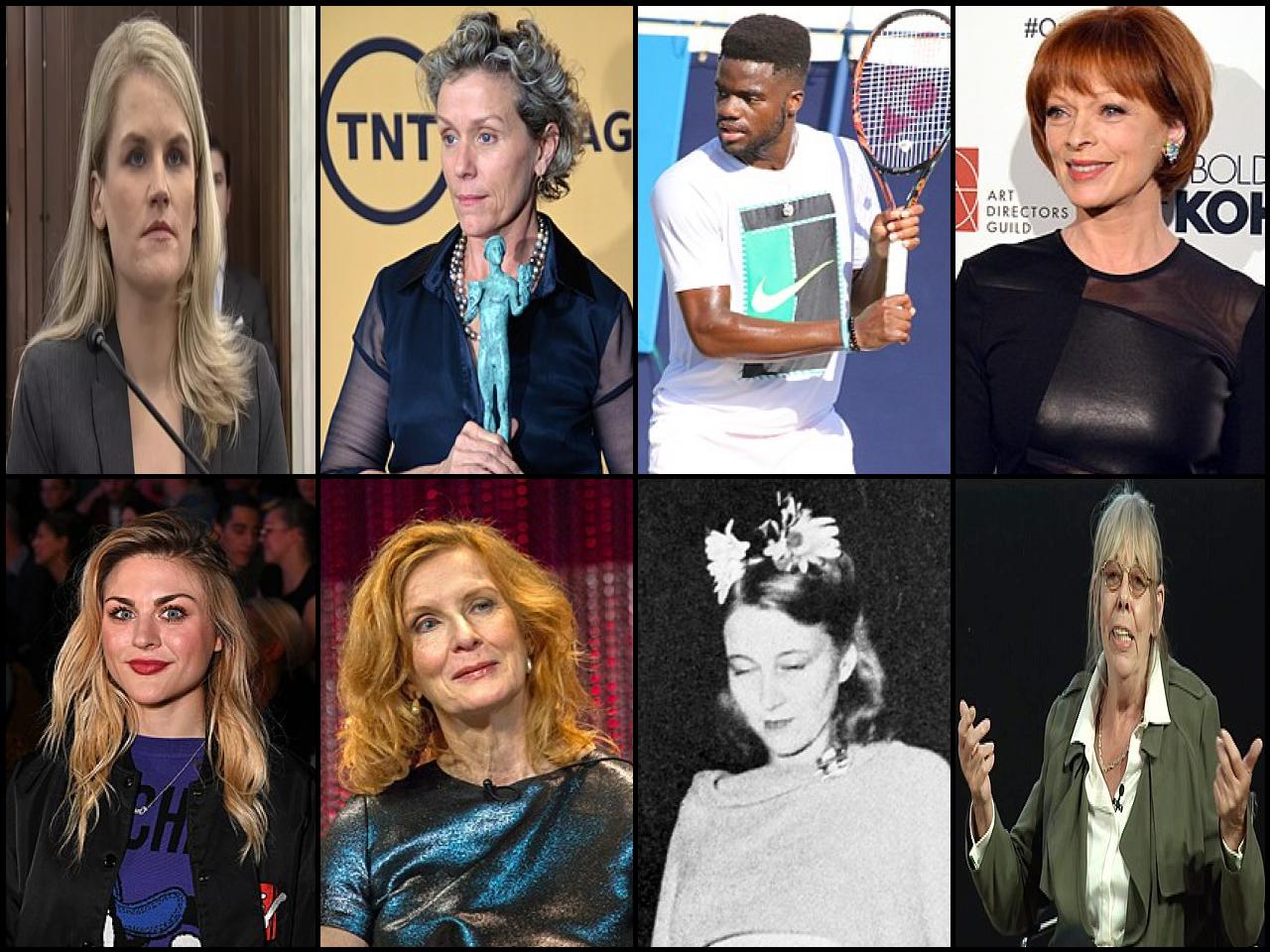
Lista de Personas Famosas llamadas Francis
Francisco I de Lorena
Francisco I de Vaudémont, fue de duque de Lorena y Bar, durante 363 días a partir de 1544 hasta 1545. Era hijo primogénito del duque Antonio de Lorena y Bar, y Renata de Borbón-Montpensier.
Francis Dickens
Francis Jeffrey Dickens was the third son and fifth child of Victorian English novelist Charles Dickens and his wife Catherine Dickens née Hogarth.
Francis, Duke of Brunswick-Lüneburg
Francis of Brunswick-Lüneburg (1508–1549) was the youngest son of Henry the Middle. Following a thirty-year joint reign of Brunswick-Lüneburg with his brother Ernest the Confessor, he ruled the newly founded Duchy of Gifhorn from Gifhorn Castle for over 10 years from 1539 until his death in 1549. He was given the duchy as an inheritance settlement by his brother Ernest.
Francis Hay, 9th Earl of Erroll
Francis Hay, 9th Earl of Erroll was a Scottish nobleman. A convert to Catholicism, he openly conspired with the king of Spain to try to unseat the Protestant Queen Elizabeth.
Francis Hely-Hutchinson
Francis Hely-Hutchinson, styled The Honourable from 1783, was an Irish politician.
Francisco Carlos de Sajonia-Lauenburgo
Francisco Carlos de Sajonia-Lauenburgo fue un príncipe de Sajonia-Lauenburgo y general en las guerra de los treinta años.
Francis Dufour
Francis Dufour was a Canadian Quebec politician. He served as the member for Jonquière in the National Assembly of Quebec as a member of the Parti Québécois from 1985 until 1996, when he relinquished his seat to allow Lucien Bouchard, the Premier of Quebec, a seat in the assembly.
Francis Warre Warre-Cornish
Francis Warre Warre-Cornish was a British schoolmaster, scholar and writer.
Francis Rawdon-Hastings
Francis Rawdon-Hastings, 1.er Marqués de Hastings, fue un político y militar británico. Además fue Gobernador General de la India entre 1813 y 1823.
Francis Jammes
Francis Jammes fue un poeta, novelista, dramaturgo y crítico francés. Pasó la mayor parte de su vida en las regiones de Béarn y en el País Vasco francés, lugares que se convirtieron en las principales fuentes de su inspiración, que se caracteriza por su lirismo y por su exaltación de la vida rural. Algunos poemas añaden, además, un fuerte contenido religioso debido a su conversión al catolicismo.